
About Notre Dame Cathedral
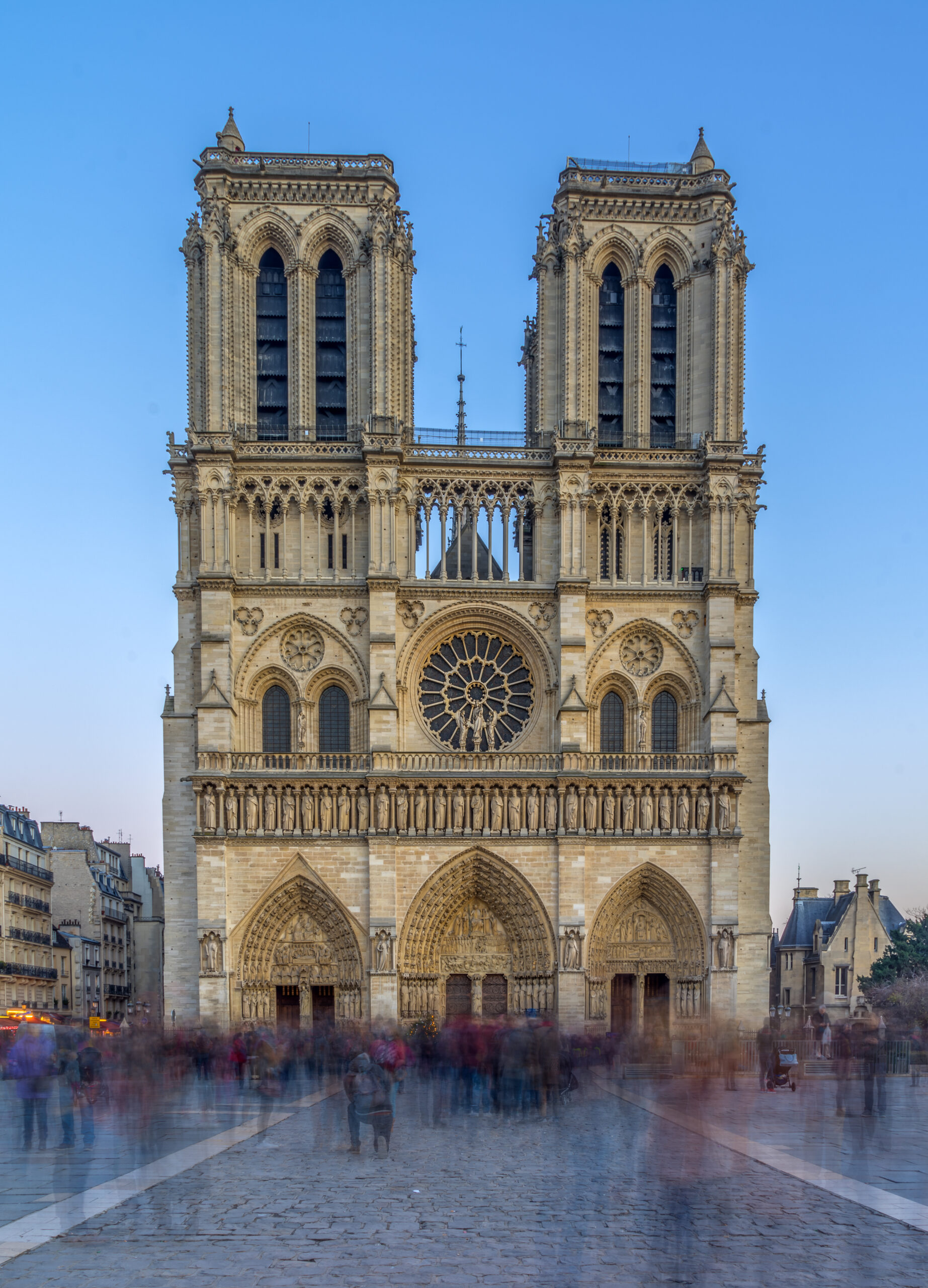
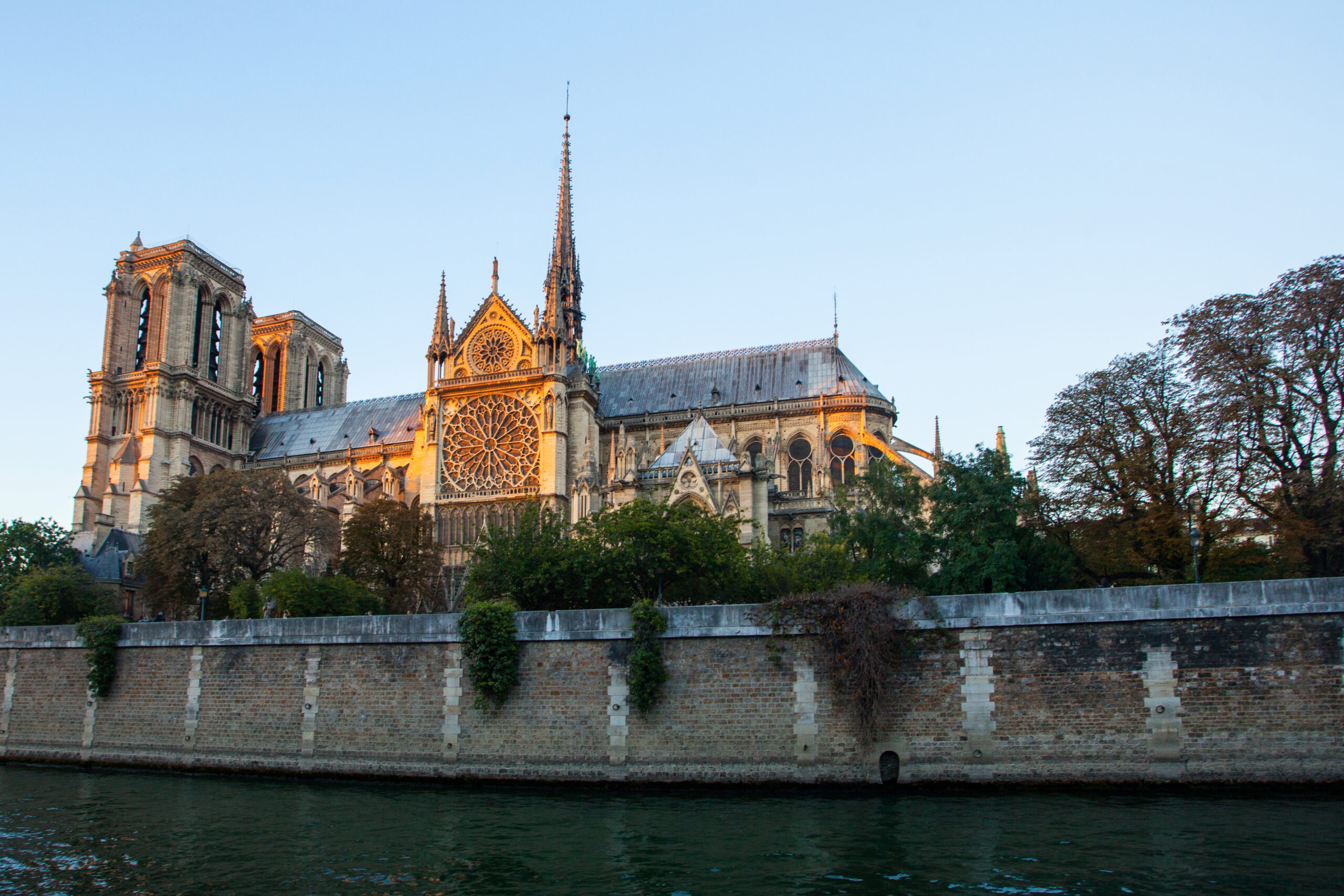
The Cathedral of Notre-Dame de Paris is one of the most representative masterpieces of European Gothic architecture and one of the most important historical symbols of Paris. Its construction began in 1163 and lasted for almost two centuries, becoming the religious and cultural center of the city. Located on the Île de la Cité, the birthplace of the French capital, the cathedral has witnessed many historical events that marked the history of France.
What to see during the visit
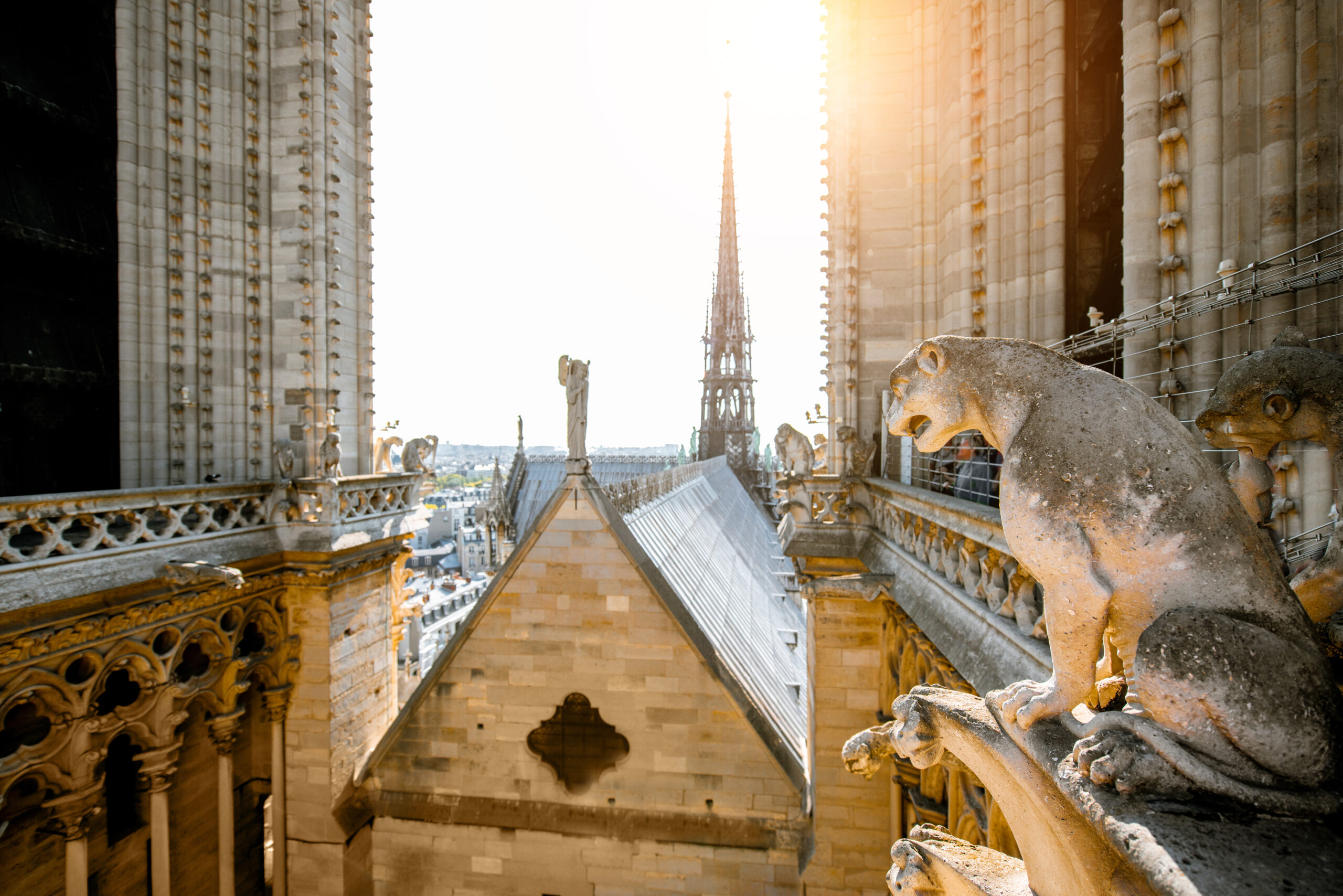
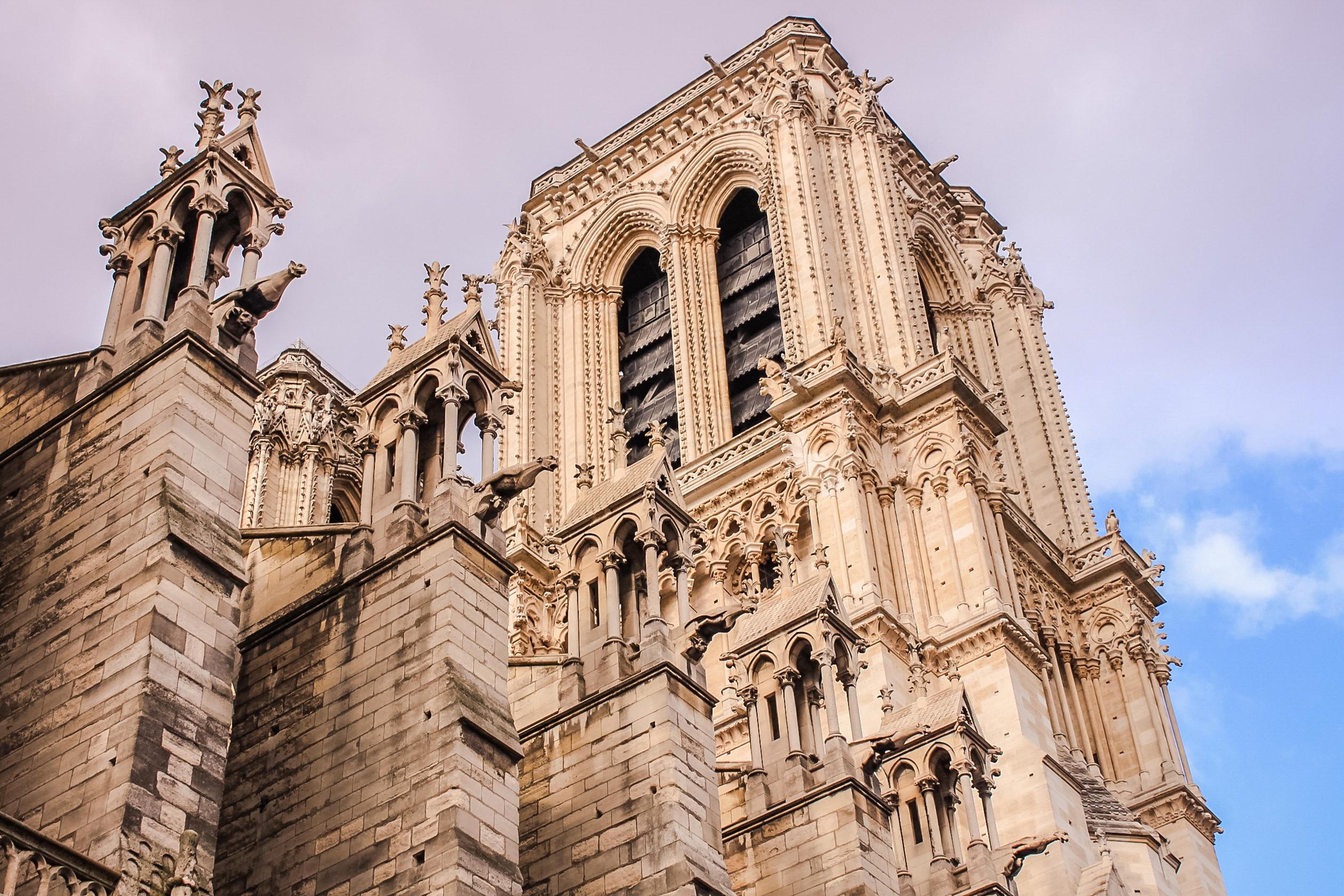
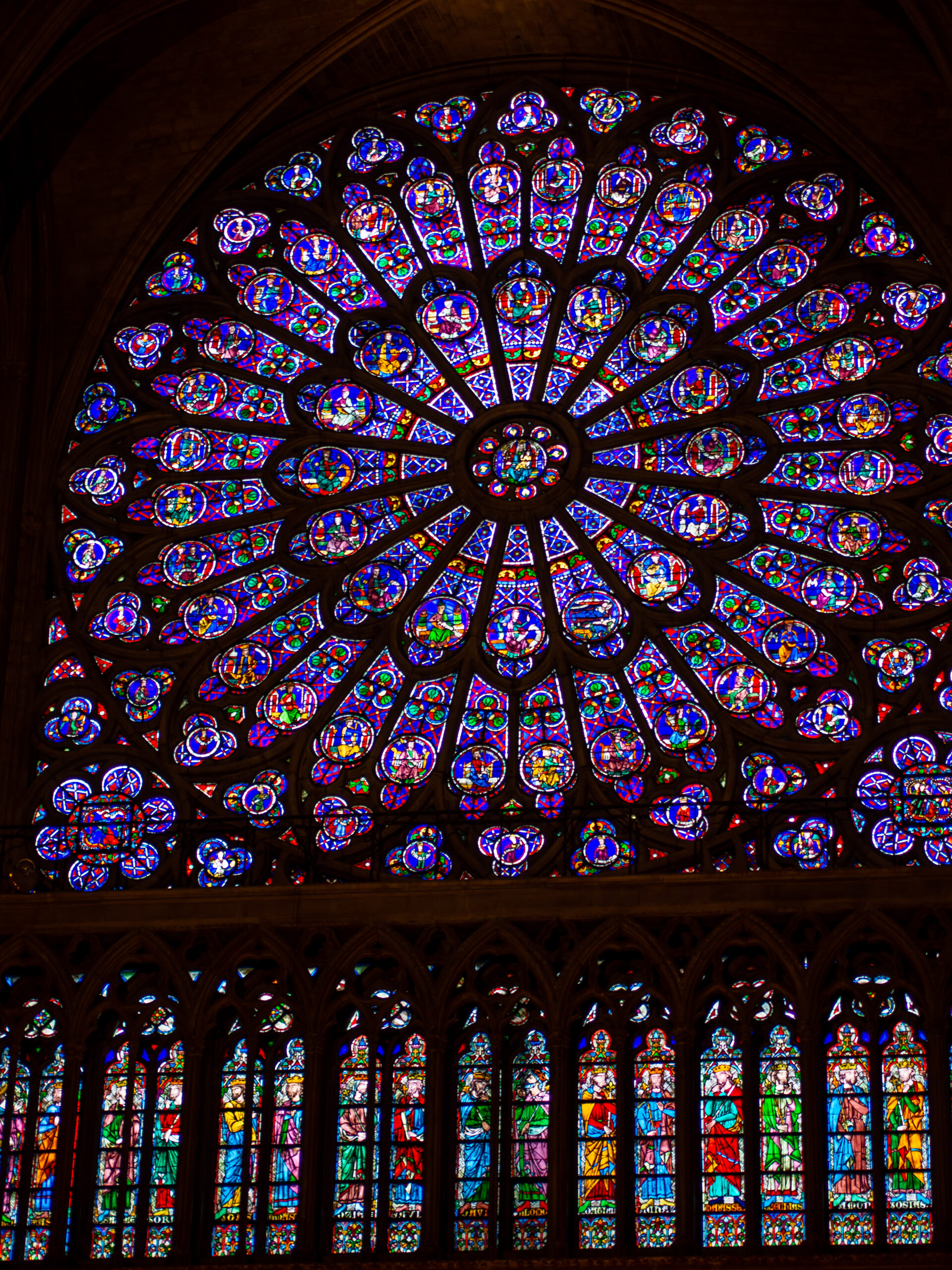
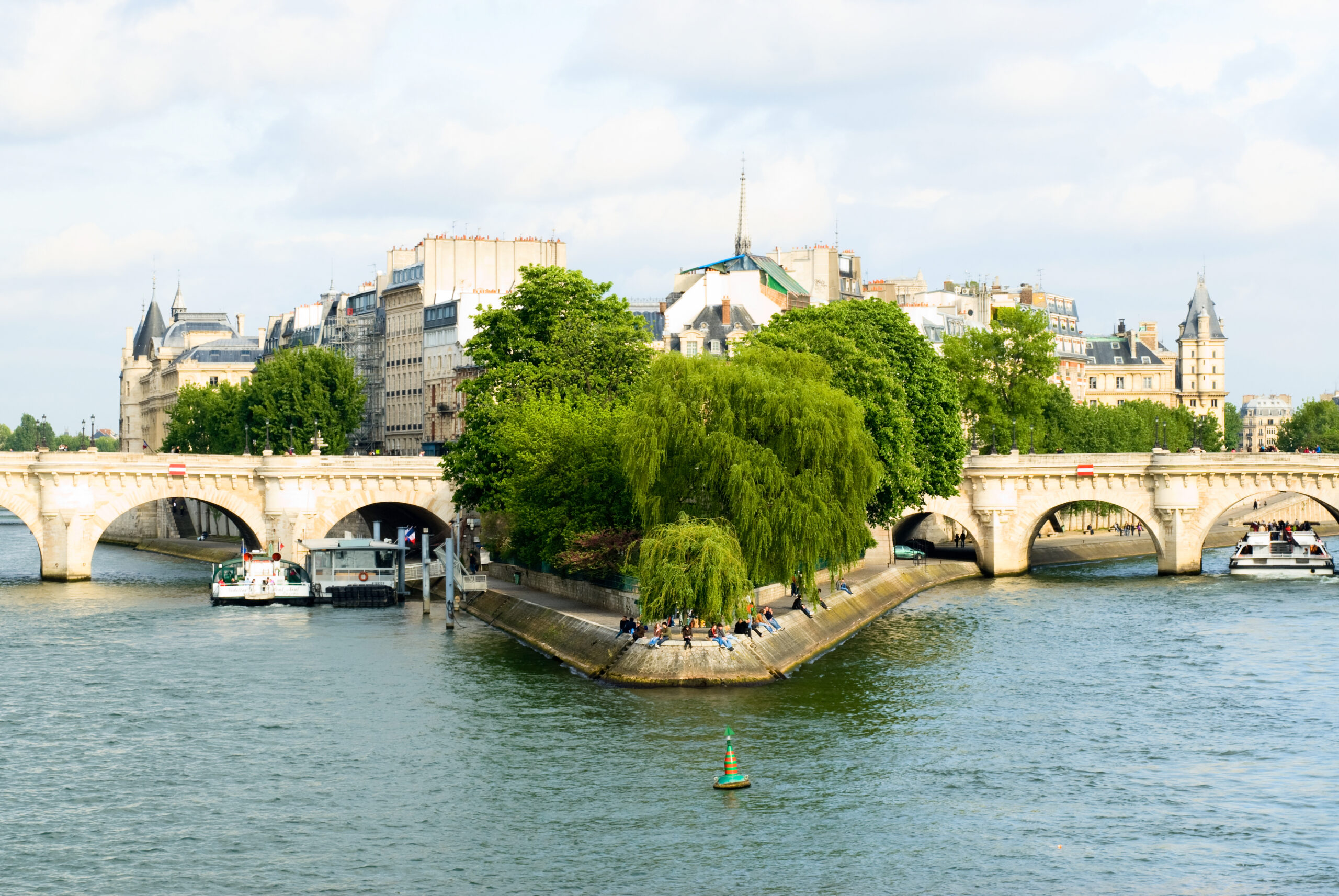
The experience begins on the Île de la Cité, where you can tour some of the most emblematic spaces surrounding the cathedral. During the tour, you will discover details of the Gothic architecture of Notre-Dame, its imposing facades, sculptures and rose windows. The audioguide allows you to understand the artistic value of the temple and its cultural influence, also known thanks to the famous novel Notre-Dame de Paris by Victor Hugo, which contributed to preserve and popularize this historic monument.
“Architecture is the great book of humanity.” – Victor Hugo
Curiosities
- The first stone of the cathedral was laid in 1163 in the presence of Pope Alexander III, marking the beginning of one of the most ambitious architectural projects in medieval Europe.
- Victor Hugo’s novel Our Lady of Paris (1831) aroused great interest in the cathedral and contributed decisively to its restoration in the 19th century.
- The Île de la Cité is considered the origin of Paris, as this is where the first Gallic settlers, the Parisii, settled in the third century BC, giving the city its name.